
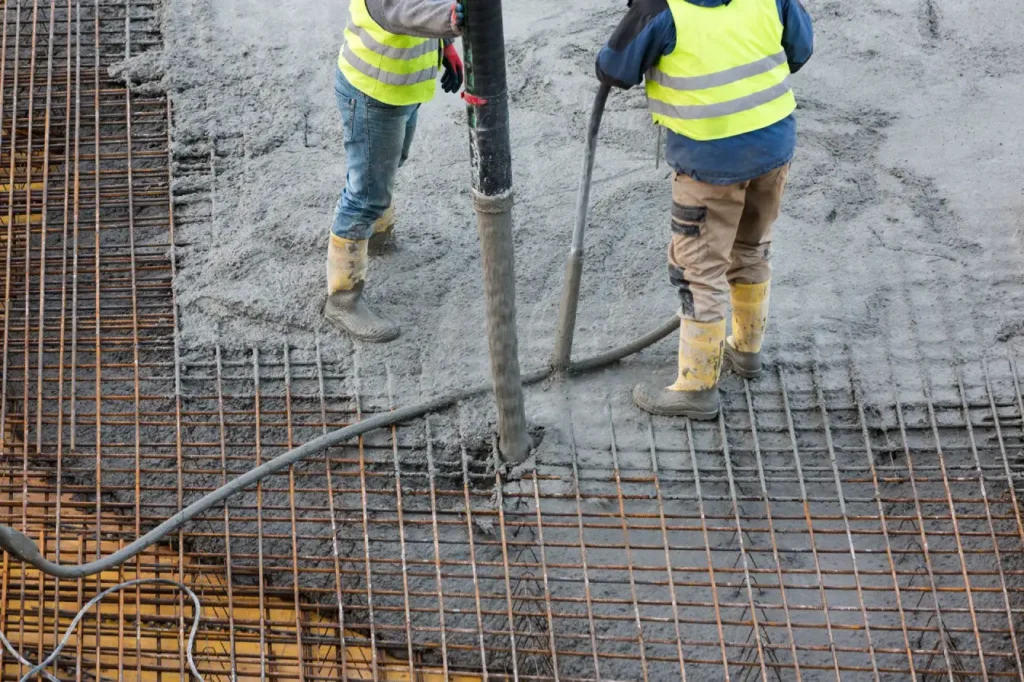
If you’re planning a new driveway, patio, or slab, concrete is probably the last place you’d think to worry about pests. But for homeowners, a concreting project is actually one of the best times to think about termites, ants, and other soil-dwelling pests — before the job starts and after it’s finished.
At Adrian’s Concrete, we’ve been pouring driveways, patios, pools and slabs for more than 24 years, and one thing hasn’t changed in that time: what happens beneath the concrete matters just as much as the finish on top. Over two decades of jobs, we’ve seen how much easier it is to deal with soil and pest issues before the pour, rather than dig up a driveway later.
Concrete Slabs Are a Major Termite Barrier — But Only If They’re Installed Right
In most modern homes, a well-poured concrete slab is one of the primary barriers stopping termites from reaching timber framing. Termites can’t eat through solid concrete, so a correctly laid slab, with no unsealed gaps, cracks, or service penetrations, does a lot of the heavy lifting in keeping a property protected.
The catch is that this protection only works if the slab is installed properly and stays intact. Cracks that develop over time, gaps around plumbing penetrations, or poor edge detailing at the perimeter of a driveway or patio can all become entry points. Termites are patient and will exploit even small weaknesses over months or years.
This is why timing matters. If you’re planning any concreting work — a new slab, an extension, or replacing an old driveway — it’s worth having the site checked for existing pest activity before the job begins and having any vulnerable points addressed as part of the build.
Excavation Can Disturb Existing Termite Activity
Before any concrete goes down, there’s excavation: removing soil, vegetation, and old material to prepare the site. This process can disturb termite colonies or ant nests that have been established in the ground for years, sometimes without any visible sign above the surface.
Disturbing a colony during excavation doesn’t get rid of it — it can actually push termites to relocate closer to your home or other structures on the property. This is a common issue for established properties with older homes, mature gardens, and timber retaining walls, all of which create ideal termite conditions. A pre-construction pest inspection can identify activity before it becomes a bigger problem once your new concrete is in place.
After the Pour: Watching for New Entry Points
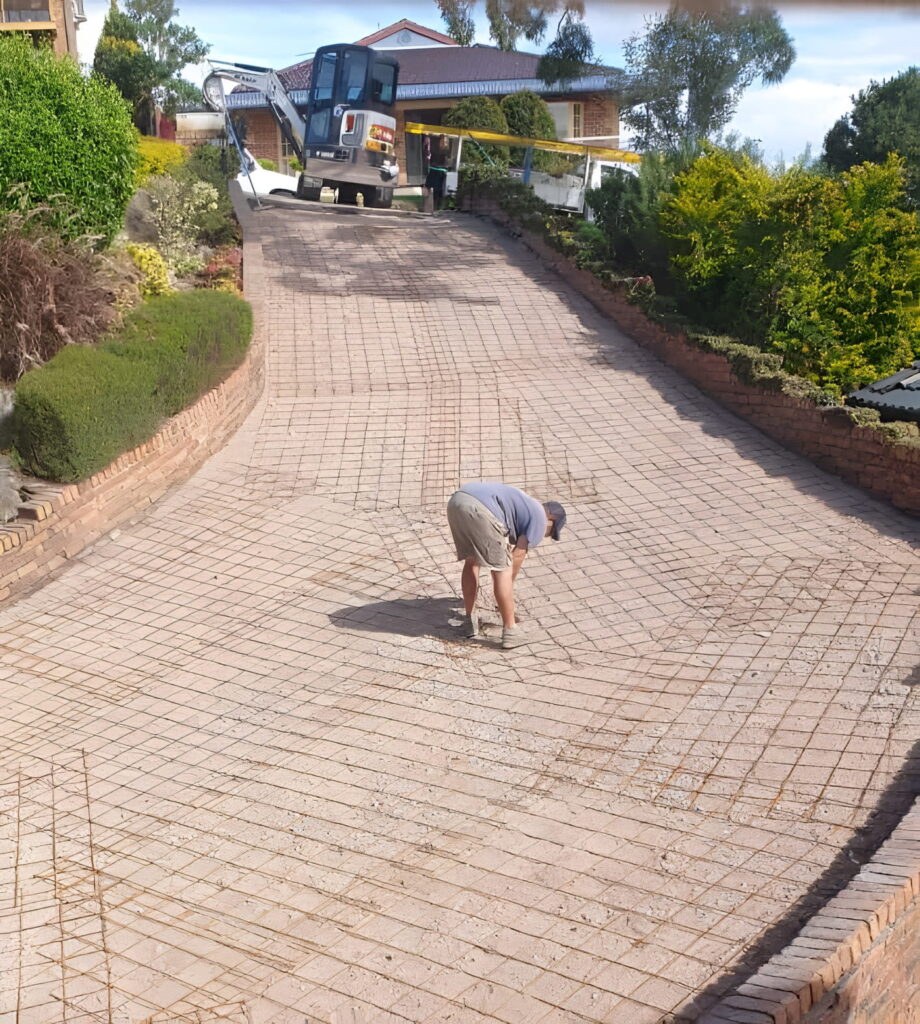
Once concreting work is finished, it’s worth keeping an eye on the join between the new concrete and the existing structure. Expansion joints, service penetrations, and the edges where a driveway or patio meets the house are the areas most likely to develop small gaps over time as the concrete cures and settles.
These are exactly the kind of access points that pest control professionals check for during a termite inspection. Catching a gap early — before it becomes an active entry point — is far cheaper than dealing with structural damage down the track.
Why This Matters for Sydney Homeowners
Sydney’s climate creates favourable conditions for termites and other pests: consistent humidity, established tree cover, and a mix of older and newer homes with varying levels of protection. Termite damage is often described as one of the most common — and most expensive — issues facing Australian homeowners, precisely because it isn’t covered by standard home insurance and can go undetected for a long time.
If you’re investing in a new driveway, slab, or patio, it makes sense to pair that investment with a professional pest inspection, either before the work starts or shortly after it’s completed. It’s a small additional step that protects the value of the concreting work itself.
Our Recommendation
For anyone in Sydney planning concreting work, we’d recommend getting a proper inspection from a licensed and experienced provider rather than relying on guesswork. Forensic Pest Management in Sydney offers trusted pest control services, including termite inspections and treatment, for both residential and commercial properties. Having a reputable pest control team involved alongside your concreting work gives you confidence that what’s going under, around, and beside your new concrete is properly protected.
Frequently Asked Questions
Yes. Excavation disturbs soil and can uncover or displace existing termite or ant activity. An inspection beforehand helps identify issues while they’re still easy to treat, rather than after they’re sealed under a new slab.
Termites can’t eat through solid concrete, but they’re skilled at finding tiny gaps — around service penetrations, expansion joints, or cracks that develop over time. A slab is only as protective as its weakest point.
Not directly, but it changes the site. Disturbing established colonies during excavation, or leaving small gaps at the edges of a new pour, can create new opportunities for pests if the work isn’t checked afterwards.
An annual inspection is generally recommended for most Sydney properties, with an additional check any time significant excavation or concreting work takes place.
Look for small mud tubes along the slab edge or foundation walls, unexplained damage to nearby timber, or a hollow sound when tapping skirting boards. Any of these warrants a professional inspection.
Get Both Right, From the Start
A great driveway or patio is only as good as the ground it’s built on, and that includes what’s living in that ground. As family-owned, experienced Northern Beaches concretors, Adrian’s Concrete has built a reputation on doing the groundwork properly, not just the finish.
If you’re planning a concreting project anywhere from Manly to Terrey Hills and want advice on site preparation, drainage, or how your slab or driveway will hold up over time, get in touch with our team. We’re happy to talk through what your project needs and where a pest inspection might be a smart addition to the process.


